by wanneroogasandair-admin | Sep 10, 2026 | Gas heater
If you’ve already looked into how ducted reverse cycle air conditioning Perth works, the next question usually decides whether you go ahead: what will it cost? Running cost depends far more on your home’s size, insulation and zoning than on the brand you choose. This guide breaks down the real cost factors, compares running costs against evaporative air conditioning Perth homeowners often weigh up instead, and covers what changes for an air conditioning unit in Joondalup or a similar established Perth suburb.
Quick Answer
Ducted reverse cycle air conditioning is generally the most expensive whole-home cooling and heating system to install in Perth, and it also costs more to run day-to-day than evaporative cooling. The exact price depends on your home’s size, roof access, insulation, and how many zones you choose – not on a fixed rate per square metre.
What Actually Drives the Cost?
Installation cost is driven mainly by home size, number of zones, roof access, and whether existing ductwork can be reused. Running cost is driven by system size, insulation, and how disciplined you are with zoning.
Two homes of a similar floor area can end up with very different quotes and power bills, because the variables that matter aren’t just “which brand” or “how many kilowatts.” A well-designed system in a well-insulated home can cost less to run than an oversized system in a similar-sized house. This is why an accurate quote always starts with an in-home assessment, not a price list.
Installation Cost Factors
Home size and zones: Larger homes need more ductwork, more vents and a bigger unit, so cost scales with floor area. Zoning adds cost too, since each zone typically needs its own motorised damper – better control, but a genuine trade-off against upfront cost.
Roof space and access: The indoor unit and ducting need clearance in the ceiling cavity. A low roof pitch, limited manhole access or trusses that restrict duct runs can mean more design work and labour – one of the biggest reasons similar homes attract different quotes.
Single vs double storey: Double-storey homes sometimes need two systems, or careful duct planning through the ground-floor ceiling, to condition both levels evenly. Ask installers specifically how they’ll handle the upper level.
Running Costs: Ducted Reverse Cycle vs Evaporative Air Conditioning Perth
| Factor |
Ducted Reverse Cycle |
Evaporative Air Conditioning Perth |
| Heating |
Yes, built-in |
No, cooling only |
| Humid-day performance |
Consistent |
Drops as humidity rises |
| Installation cost |
Higher |
Lower |
| Running cost |
Higher |
Lower |
| Windows/doors |
Can stay closed |
Need slight airflow |
| Water use |
None |
Uses water for cooling pads |
| Air quality |
Recirculated, filtered |
Continuous fresh air |
Evaporative Air Conditioning Perth handles hot, dry summers well, but they can’t heat, so most evaporative households still need a separate winter heater – a ducted gas system or portable unit. Ducted reverse cycle avoids that second appliance entirely, which is part of what its higher running cost buys you.
Choosing an Air Conditioning Unit in Joondalup and Nearby Suburbs
Much of Joondalup, Wanneroo and the surrounding corridor was built during the rapid growth of the 1980s and 1990s, alongside newer infill closer to the coast and town centre. That mix matters for cost. Established brick-and-tile homes often have tile roofs with more restricted ceiling access and older insulation that may need topping up first, since a system fighting poor insulation runs harder regardless of installation quality. Newer homes and townhouses tend to have less roof cavity space, which can shift the conversation toward a smaller, well-zoned system. Either way, ask installers to inspect the roof in person – ceiling height, insulation, and existing ductwork affect price far more than the suburb itself.
How to Get an Accurate Quote
- Book an in-home assessment – a proper quote needs eyes on the roof space and layout, not just square metreage.
- Ask for a load calculation, not a floor-area rule of thumb.
- Decide on zoning upfront – retrofitting it later usually costs more.
- Check whether existing ductwork can be reused. Converting from evaporative: that ducting isn’t insulated to refrigerated-system standards, so reuse risks condensation. New ducting is usually required.
- Compare like-for-like quotes – brand, warranty, and what’s included versus extra.
- Ask about ongoing servicing costs as part of the real cost of ownership.
Sizing is where much of the cost decision happens. A system built to run every zone at once on the hottest day costs more than one sized around everyday use – living areas by day, bedrooms overnight. That extra capacity earns its keep on only a handful of extreme days a year.
Reducing Running Costs
- Use zoning properly – switch off rooms not in use.
- Improve ceiling insulation first, especially in older homes.
- Set a realistic target temperature; every extra degree adds cost.
- Keep filters clean – check every 6 to 12 months.
- Use a programmable schedule instead of running full-tilt when nobody’s home.
- Run during daylight hours if you have solar, to offset cost.
Common Cost Mistakes
- Choosing a system size on price alone, not a proper load calculation.
- Skipping zoning to save money upfront, then paying more to retrofit it later.
- Ignoring insulation, so a well-sized system still runs inefficiently.
Replacing an Old System: Unit-Only vs Full Replacement
If your ductwork is still in good shape, replacing just the units is usually cheaper. If the system has some years on it, a full replacement often makes more sense than it first appears.
A unit-only changeover reuses your ducts and vents, lowering upfront cost, but ageing ductwork can still leak air and limit how the new unit performs, and its warranty usually covers only the new equipment. A full replacement costs more upfront but not dramatically more, and gives you a matched system with full warranty. Have your ductwork’s age and condition assessed rather than assuming which option suits you.
Is It Worth the Investment for Your Home?
Generally, yes, if you want one system for year-round heating and cooling and plan to stay in the home long enough to benefit. Worth comparing more carefully against evaporative or a split system if your budget is tightly focused on the lowest upfront cost, or you only need summer cooling.
The only reliable way to know your real cost is an on-site assessment – floor plan, insulation, roof access, and orientation all move the number in ways a general guide can’t.
Conclusion
The cost of ducted reverse cycle air conditioning Perth comes down to your specific home – floor area, roof access, insulation and zoning choices move the number more than the brand you pick. It costs more to install and run than evaporative air conditioning Perth homeowners often start with, but it’s the only option that handles heating and cooling from one system. If you’re comparing quotes for an air conditioning unit Joondalup or elsewhere in Perth’s northern suburbs, Wanneroo Gas & Air Centre can assess your home and give you an honest, itemised quote.
FAQs
Is ducted reverse cycle air conditioning expensive to install in Perth?
Generally more expensive than evaporative or a split system, mainly due to ductwork, zoning components, and unit size. Exact cost depends on floor area, roof access, and zone count.
Does it cost more to run than evaporative air conditioning systems in Perth?
Yes, typically – evaporative relies mainly on a fan and water pump, while reverse cycle uses a compressor. Weigh that against reverse cycle also providing heating.
Can I reuse my existing ductwork switching from evaporative to reverse cycle?
Usually not. Evaporative ducting isn’t insulated to refrigerated-system standards, so reuse risks condensation; new ducting is generally required.
Does zoning actually save money?
Yes, by avoiding conditioning empty rooms, but it adds upfront cost – the payoff depends on how consistently you use it.
Is an air conditioning unit in Joondalup more expensive than in other parts of Perth?
Not because of the suburb. It comes down to the individual home – roof pitch, ceiling access, insulation and existing ductwork.
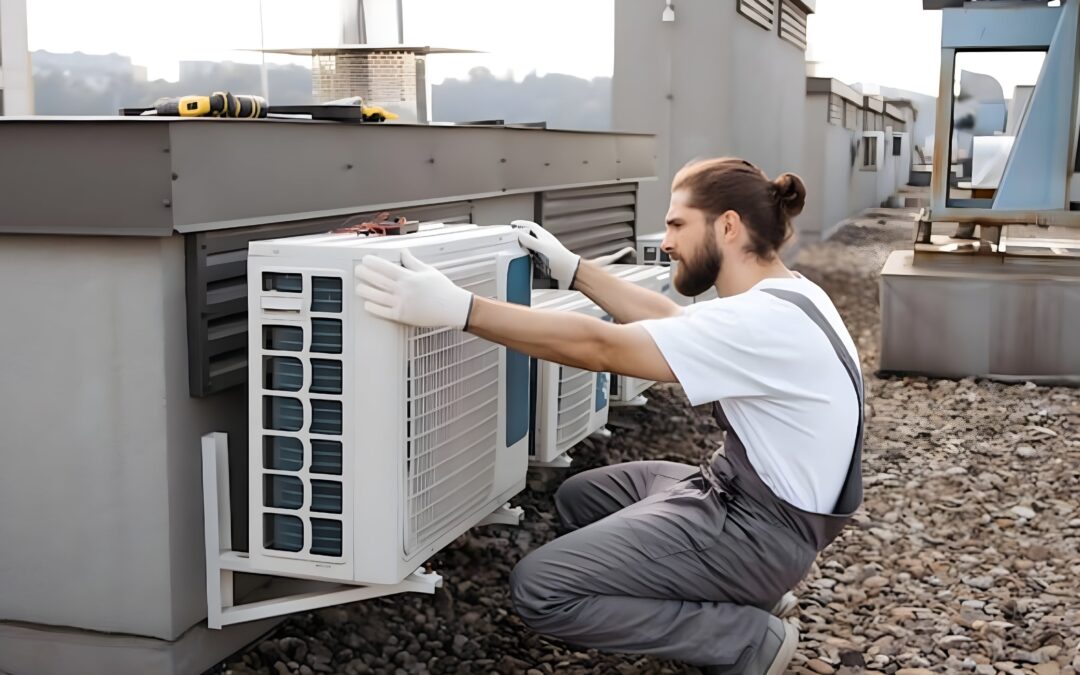
by wanneroogasandair-admin | Aug 19, 2026 | Gas heater
Perth summers can sit above 35°C for days at a time, and the dry heat that rolls in off the desert makes cooling a home a genuine priority. Evaporative cooling Perth systems have been a popular answer to this for decades, largely because they’re built for exactly this kind of climate: hot and dry. Many homes then pair the system with ducted heating and cooling in Perth as a combined setup, using a separate system for winter warmth. This guide explains how the technology works, what it costs to run, when it’s the right choice, and when a different system might suit your home better.
Quick answer: Evaporative cooling Perth systems are a low-cost, effective way to cool most Perth homes thanks to the dry summer climate, and they’re commonly paired with ducted heating and cooling in Perth for year-round comfort. If you already run a gas heater, keeping it serviced through gas heater repairs Perth technicians provide each year helps avoid a mid-winter breakdown.
What Is Evaporative Cooling?.
Unlike refrigerated air conditioning, there’s no compressor and no refrigerant gas involved. The cooling effect comes from water evaporating, the same principle that makes you feel cold stepping out of a pool on a windy day. It’s a simple, mechanical process, which is part of why evaporative systems are cheaper to buy, install and run than ducted reverse cycle air conditioning.
How Does Evaporative Cooling Work?
A roof-mounted unit draws hot air from outside through cellulose or paper cooling pads kept wet by a small water pump. As the air passes through the damp pads, some of the water evaporates, absorbing heat from the air. The cooled air is then pushed by an internal fan through ductwork into the ceiling space and out through vents in each room.
Because the system relies on a continuous flow of fresh air, evaporative cooling only works properly with a window or door left open in each room being cooled, letting air move through and out of the house rather than building up pressure. It’s a different way of living with cooling compared to a sealed-up refrigerated system, and it’s worth understanding before you commit to one.
Evaporative Cooling Perth: Key Benefits
The genuine advantages of evaporative cooling Perth homeowners should weigh up are:
- Lower running costs: With no compressor, an evaporative system uses substantially less electricity than a conventional refrigerated ducted system.
- Continuous fresh air: The system constantly draws in outside air rather than recirculating indoor air, which many people find noticeably fresher and helpful for allergies.
- Lower upfront cost: Evaporative units and installation are generally less expensive than an equivalent ducted reverse-cycle system.
- Whole-home coverage: Ducted evaporative systems cool every connected room at once, unlike single-room split systems.
- No sealed-house requirement: You can leave windows and doors open, which suits households that don’t like a closed-up home.
Important Things to Consider Before Installing Evaporative Cooling
Humidity Reduces Performance
Evaporative cooling is less effective as humidity rises. On Perth’s more humid days, usually a handful each summer, the temperature drop will be smaller than usual. This is a genuine limitation, not a fault.
Correct System Sizing Matters
An undersized unit will struggle to cool a home, while an oversized one wastes money. As a general guide, the system should change over the full volume of air in the cooled space roughly every two to three minutes, which requires an assessment of your home’s floor area and layout rather than a generic size chart.
Ceiling Space and Ductwork
Ducted evaporative systems need adequate ceiling space to run ductwork to each room. Older Perth homes with low or complicated roof cavities may need extra planning.
Water Use and Winter Air Leakage
Evaporative units use mains water to keep the cooling pads wet, so there’s an ongoing water cost alongside the electricity savings. The roof-mounted unit can also be a source of heat loss in winter if outlets aren’t sealed, so fitting outlet covers for the cooler months is worth doing.
Evaporative Cooling vs Ducted Reverse Cycle Air Conditioning

The two systems suit different priorities, and it helps to weigh them against each other directly rather than in isolation. Evaporative cooling is best suited to Perth’s typical hot, dry summer days, while ducted reverse cycle handles any weather, including the occasional humid stretch. Evaporative cooling only cools, so a separate heating system is needed for winter, whereas ducted reverse cycle heats and cools from one unit. On running costs, evaporative systems come out ahead because there’s no compressor, and the upfront purchase and installation cost is generally lower too.
The trade-off is lifestyle: evaporative cooling needs windows or doors left open to work, drawing in constant fresh outside air, while a ducted reverse cycle keeps the house sealed and recirculates conditioned air. On Perth’s more humid days, reverse cycle performance stays consistent, while evaporative cooling’s effectiveness drops.
Neither system is universally better. Evaporative cooling tends to suit homeowners chasing lower running costs and fresh airflow, while ducted reverse cycle suits homes wanting one system that also handles Perth’s cooler winter nights and the occasional humid stretch. Some homeowners solve this by combining evaporative cooling with a separate ducted gas heater instead, which is the more traditional form of ducted heating and cooling in Perth and is often the more affordable path overall.
Common Mistakes to Avoid
- Buying based on price alone: The cheapest unit may be undersized for your home, leading to disappointing performance in peak heat.
- Running the system with the house sealed up: Without airflow through open windows or doors, an evaporative system can’t cool effectively.
- Skipping seasonal servicing: A neglected system loses cooling capacity gradually, so many homeowners don’t notice until a heatwave exposes it.
- Ignoring humid-day settings: Running the water pump on a humid day adds moisture without much cooling benefit. Fan-only mode is usually the better option.
- DIY installation without proper duct design: Poorly planned ducting can starve some rooms of airflow while over-supplying others.
Maintenance and Professional Servicing
Evaporative systems benefit from a check before each cooling season. A typical service includes inspecting and, where needed, replacing the cooling pads, checking the water pump and float valve, clearing any mineral build-up from Perth’s water, and confirming the fan motor and belts are running properly. Regular maintenance protects the system’s cooling performance and its working life, and it’s far cheaper than a mid-summer breakdown repair. If your home also runs a gas heater in winter, it’s worth booking gas heater repairs with Perth technicians to carry out at the same time each year, so both your cooling and heating systems are checked before the season that needs them.
Pairing Evaporative Cooling with Ducted Heating in Perth
Because evaporative cooling only cools, many Perth homes pair it with a separate ducted gas heating system to cover winter. This combination, often described as ducted heating and cooling in Perth, gives you a dedicated, efficient system for each season rather than compromising with a single unit built for both. It’s a common setup in established Perth suburbs where the home already has ducted gas heating installed and evaporative cooling is added for summer, or vice versa.
Ducted gas heating works on a similar principle to evaporative cooling in terms of distribution: a central gas-fired unit heats air, which is then pushed through the same style of ceiling ductwork into each room. Because both systems can share ducting in some homes, planning them together at installation, rather than as two unrelated projects, often gives better airflow results and can reduce overall installation cost.
Keeping Your Gas Heating System Safe and Reliable
If you already run a ducted or portable gas heater, it needs its own seasonal attention, separate from your cooling system. Gas heater repairs Perth technicians commonly carry out include fixing pilot light and ignition faults, clearing blocked burners, replacing worn thermocouples, resolving faulty blower motors, and addressing yellow or sooty flames, which can signal incomplete combustion and a carbon monoxide risk. A cracked heat exchanger is a more serious fault that allows combustion gases to mix with the heated air being circulated through the home, and it’s one of the main reasons an annual inspection matters..
Any gas heating appliance, ducted or portable, should be inspected by a licensed gas fitter before each winter. This protects your family’s safety and catches small faults before they turn into costly repairs or a mid-winter breakdown.
Quick answer: Gas heater repairs Perth homeowners most often need involve pilot light faults, blocked burners, worn thermocouples and yellow-flame combustion issues. A licensed technician should inspect any gas heater annually to catch these faults early and confirm the system is safe to run.
Is Evaporative Cooling Right for Your Home?
Evaporative cooling is a strong option for most Perth homes, particularly larger properties where running costs matter, but it’s worth thinking it through against a few practical points first.
It’s likely to be a good fit if you:
- Want lower running costs than refrigerated ducted air conditioning
- Don’t mind keeping windows or doors open while the system runs
- Live in a typically dry part of the Perth metro area
- Already have, or plan to add, a separate ducted gas heater as part of a wider ducted heating and cooling in Perth setup
It may be worth comparing against ducted reverse cycle if you:
- Want one system that heats and cools without switching setups
- Live somewhere that experiences more humid stretches
- Prefer to keep the home fully sealed and climate-controlled year-round
Conclusion
Evaporative cooling Perth systems remain one of the most cost-effective ways to cool a home in this climate, largely because Perth’s hot, dry summers play to the technology’s strengths. It won’t suit every household, particularly if you want one system for both heating and cooling or you’re not keen on keeping windows open, but for many Perth homes it offers genuine savings without sacrificing comfort. Wanneroo Gas & Air Centre has been cooling and heating Perth homes since 1972, and we handle the full process from initial advice through to installation, servicing and repairs, for evaporative cooling, ducted reverse cycle, split systems and gas heating alike. If you’re weighing up evaporative cooling against other options, or your existing system or gas heater needs a service, our team can talk through what will actually suit your home, not just what’s cheapest to install.
Frequently Asked Questions
Is evaporative cooling any good in Perth?
Yes. Perth’s hot, dry summer climate is close to ideal for evaporative cooling, since the technology performs best when humidity is low. It becomes less effective only on the handful of more humid days each year.
How much does evaporative cooling cost to run compared to a reverse cycle?
Evaporative systems typically cost less to run than ducted reverse-cycle air conditioning because they don’t use a compressor, which is the main electricity draw in a refrigerated system. Exact running costs depend on the size of the unit, how often it’s used, and your home’s layout.
Do I need to leave windows open with evaporative cooling?
Yes. Evaporative systems need a window or door open in each room being cooled so air can flow through and out of the house. Without this airflow, the system can’t cool effectively.
How often should an evaporative cooling system be serviced?
Most manufacturers and technicians recommend a service before each cooling season, generally once a year in spring. This covers the pads, pump, filters, and motor.
Why has my gas heater started producing a yellow flame?
A yellow or sooty flame instead of a clean blue one can indicate incomplete combustion, which may point to a ventilation issue or a component fault. This is a safety concern, and the heater should be checked by a licensed technician before further use.
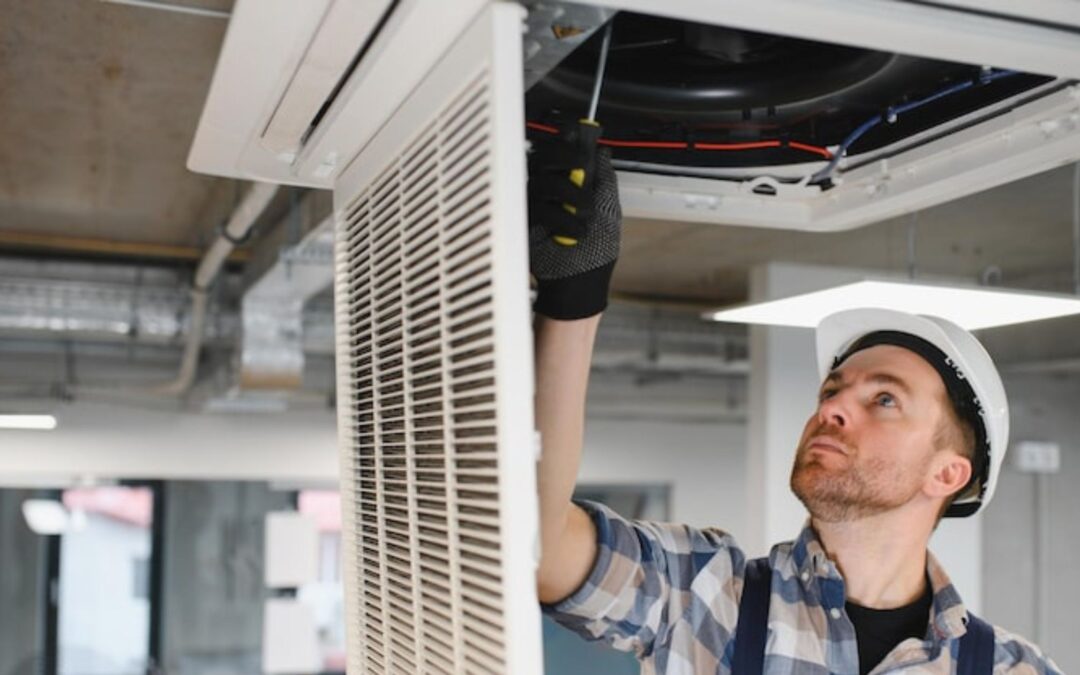
by wanneroogasandair-admin | Aug 12, 2026 | Gas heater
If you’re comparing cooling and heating options for your Perth home, you’ve probably landed on ducted reverse cycle air conditioning as one of the front-runners. It’s the system most installers recommend for whole-home comfort, but it isn’t automatically the right choice for every property. This guide explains what ducted reverse cycle air conditioning actually is, how it performs in Perth’s climate, what it costs to run and maintain, and how it compares to evaporative cooling, so you can work out whether it suits your home before you start collecting quotes.
What Is Ducted Reverse Cycle Air Conditioning?
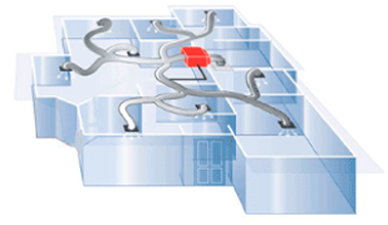
Unlike a split-system air conditioning unit, which conditions one room at a time from a wall-mounted unit, ducted air conditioning is designed to serve the whole house from one central system. The indoor unit sits out of sight in the ceiling cavity, and conditioned air travels through insulated ducts to vents in each room. Because there’s no visible indoor unit in the living areas, it’s generally considered the least intrusive option for homeowners who want consistent comfort without wall-mounted boxes in every room.
The reverse cycle part means the system isn’t just an air conditioner; it’s also a heater. The same equipment that cools your home in summer can run in reverse to warm it in winter, so you don’t need a separate heating system for most of the year.
How Does Ducted Reverse Cycle Air Conditioning Work?
Refrigerant circulates continuously between an indoor coil and an outdoor coil. In cooling mode, the indoor coil absorbs heat from the air in your home, and the outdoor unit releases that heat outside, while a fan pushes the now-cooled air through the ducts to vents in each connected room. Warm air is then drawn back through a return air vent, and the cycle repeats. In heating mode, the process simply reverses, so heat is drawn from the outside air and released indoors instead. Because the system moves heat rather than creating it from scratch, as an electric or gas heater does, it’s generally an efficient way to heat a home, especially compared with older resistance-based electric heaters.
How It Handles Perth’s Climate
Perth has hot, dry summers with regular days above 35°C and mild, sometimes damp winters. Reverse cycle systems are well suited to this pattern because they perform consistently regardless of humidity, unlike evaporative cooling, which loses effectiveness as humidity rises. That makes ducted reverse cycle a reliable choice for the occasional humid summer day, and for the cooler, wetter months when a home also needs heating rather than just cooling.
Main Benefits of Ducted Reverse Cycle Air Conditioning
- Heating and cooling from one system: You don’t need a separate gas or electric heater for winter.
- Consistent comfort throughout the home: Every connected room can be brought to a similar temperature, rather than relying on individual units.
- Zoning control: Most systems let you switch zones on or off independently, so you’re not cooling or heating empty rooms.
- Discreet appearance and quiet operation: With only ceiling vents visible and the compressor located outside or in the roof space, there’s no wall unit taking up space, and indoor noise is generally lower than a split system.
Ducted Reverse Cycle vs Evaporative Air Conditioning
Quick answer: Ducted reverse cycle heats and cools with consistent performance in any weather, while evaporative cooling is cheaper to install and run but cools only and works best in Perth’s drier conditions.
Both systems are common in Perth, and each suits a different type of home and budget, so it’s worth understanding the genuine trade-offs rather than assuming one is simply better than the other. Ducted reverse cycle is the more complete solution if you want a single system that heats and cools your whole home reliably, regardless of how humid or cold the weather gets, because it performs consistently in any condition and gives you both seasons from one investment. Evaporative air conditioning Perth systems, on the other hand, are generally cheaper to install and run, and they work especially well in Perth’s dry climate, but they cool only; they need windows or doors left slightly open for airflow; they use water rather than refrigerant; and their performance drops off as humidity rises. If your priority is a lower-cost way to cool the house through summer and you’re happy to rely on a separate heater in winter, evaporative cooling is a genuine and cost-effective alternative worth considering. If you want one system that handles heating and cooling year-round without a second appliance, ducted reverse cycle is the stronger long-term option.
Important Things to Consider Before Installing Ducted Air Conditioning
Is Your Home Suited to Ducted Reverse Cycle?
Short answer: Ducted reverse cycle suits most Perth homes, but roof space, ceiling access, and home layout all affect how straightforward and how costly the installation will be.
- Roof space and layout: The indoor unit and ductwork need enough clearance in the ceiling cavity. Older homes with low-pitched roofs or limited access can still be fitted, but may need a more tailored duct design, and double-storey homes sometimes need two systems or careful duct planning to condition both levels evenly.
- Insulation: Ducted systems work harder and cost more to run in a poorly insulated home. If your ceiling insulation is old or thin, it’s worth addressing before or alongside installation.
- Existing ductwork: If you’re replacing an old ducted evaporative or reverse cycle system, an installer may be able to reuse existing ducts and vents, which can reduce cost.
System Sizing and Zoning
Getting the system size right matters more than most homeowners expect. An undersized system will struggle on Perth’s hottest days and run constantly, while an oversized system can cycle on and off too quickly, which wastes energy and doesn’t dehumidify effectively. Sizing should be based on your home’s floor area, ceiling height, insulation, window orientation, and the number of zones, not a generic rule of thumb applied without inspecting the property. Zoning lets you divide the home into separate areas, such as bedrooms and living areas, that can be run independently, and this is worth discussing at the design stage rather than after installation, since retrofitting zoning can be more expensive than building it in from the start.
Common Mistakes Perth Homeowners Make
Quick answer: The most common mistakes are choosing a system size on price alone, skipping zoning to save money, and overlooking insulation or duct design.
- Choosing a system size based on price alone, rather than a proper load calculation for the home.
- Skipping zoning to save money upfront, then finding it more costly to add later.
- Ignoring insulation and duct design, A well-sized system in a poorly insulated home, or one connected to poorly routed ductwork, will still run inefficiently and lose conditioned air before it reaches the room.
Maintenance and Servicing
A typical service includes checking refrigerant levels, cleaning or checking filters and coils, inspecting electrical connections, and confirming the system is running efficiently. Between services, cleaning or replacing filters every few months, more often if you have pets or live near dusty areas, helps maintain airflow and air quality. Left unmaintained, a ducted system can lose efficiency gradually, which often shows up as higher power bills before it shows up as an obvious fault.
What About Existing Gas Heating?
Quick answer: If your home still uses gas heating, it’s often worth getting it checked or repaired first rather than replacing it straight away, especially if you’re only starting to consider a ducted reverse cycle upgrade.
Some Perth homes still rely on ducted gas heating Perth or a portable gas heater rather than reverse cycle air conditioning, particularly older properties. If you’re weighing up whether to replace gas heating with a reverse cycle system, it’s worth having your existing gas heater checked first, since a straightforward repair may extend its life for several more winters and give you time to plan a ducted reverse cycle upgrade rather than rushing the decision. Gas heater repairs in Perth are also a safety consideration, since a poorly maintained gas heater can develop faults that aren’t obvious without an inspection.
Is Ducted Reverse Cycle Air Conditioning Right for Your Home?
Quick answer: It’s the right fit if you want one system for year-round heating and cooling with zoning flexibility, and less suited if your main priority is the lowest possible upfront or running cost.
Ducted reverse cycle air conditioning tends to make the most sense if you want one system for both heating and cooling rather than separate equipment for each season, consistent comfort across the whole home with the flexibility of zoning, and a discreet system with no wall-mounted units in your living areas. It’s worth thinking twice, or at least comparing options carefully, if your main priority is the lowest possible running cost for summer cooling only, your home has genuinely limited roof access, or your budget is tightly focused on installation cost rather than long-term running costs. In these cases, evaporative cooling or a split system may be a better starting point. The most reliable way to know for certain is a proper on-site assessment, since factors like ceiling height, insulation, orientation, and roof access can’t be judged accurately from a general guide.
Conclusion
Ducted reverse cycle air conditioning is one of the most complete cooling and heating solutions available for a Perth home, offering whole-home comfort, zoning flexibility, and year-round performance from a single system. It isn’t the only option, and it isn’t automatically the cheapest, but for homeowners who want consistent temperature control in every season, it’s hard to match. If you’re weighing up ducted reverse cycle against evaporative cooling, or you’re not sure whether your home’s layout and roof space are suited to a ducted system, the team at Wanneroo Gas & Air Centre can assess your property and talk you through the options honestly, without pushing you toward the most expensive system by default. Get in touch today to arrange a personalised assessment for your home.
FAQs
Is ducted reverse cycle air conditioning worth it in Perth?
For homes that want reliable heating and cooling year-round from a single system, it’s generally a worthwhile investment. It costs more upfront than evaporative cooling, but it covers both seasons and performs consistently regardless of humidity, which evaporative systems can’t do.
How long does a ducted reverse cycle system last?
With regular servicing, a well-installed ducted reverse cycle system typically has a service life of around 15 to 20 years, though this varies with usage, maintenance, and system quality.
Does ducted reverse-cycle air conditioning use a lot of electricity?
It uses more electricity than evaporative cooling, but reverse cycle technology is efficient because it moves heat rather than generating it. Running costs depend heavily on zoning use, system sizing, insulation, and how often the system runs.
What’s the difference between ducted air conditioning and a split system?
A split system conditions one room at a time from an individual wall unit, while a ducted system conditions the whole home through a single set of ductwork and vents, usually with zoning to manage different areas independently.
How often should a ducted reverse cycle system be serviced?
At least once a year is the general recommendation, with filters checked and cleaned more regularly between professional services.
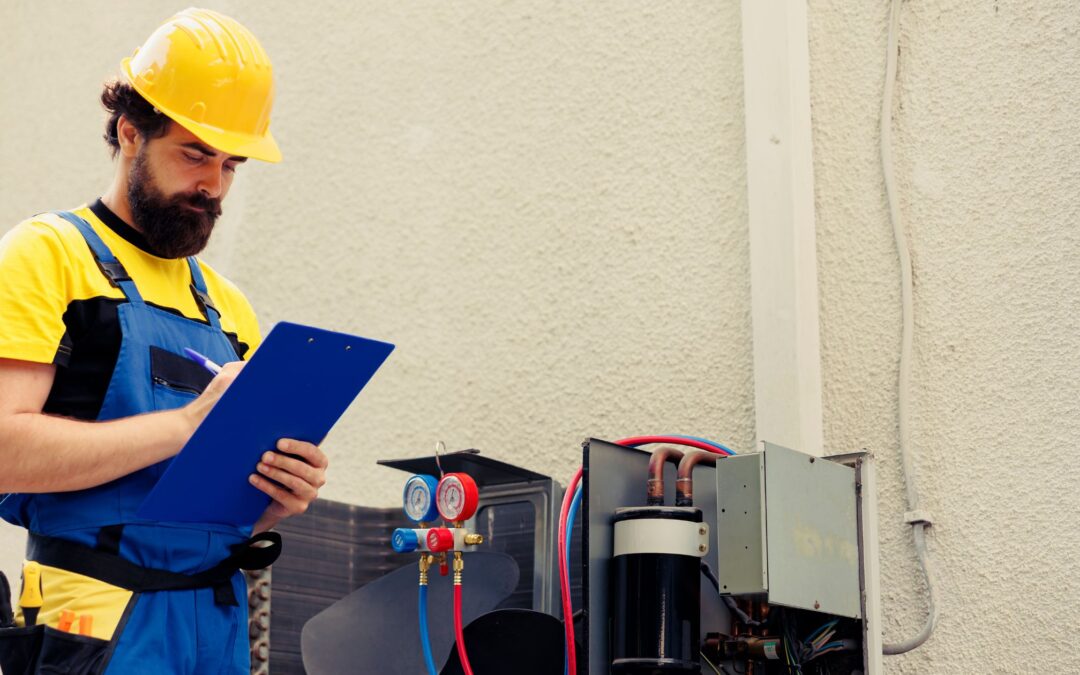
by wanneroogasandair-admin | Aug 5, 2026 | Gas heater
Wanneroo’s warm summers and cool winters mean your home needs a climate control system that can handle both extremes comfortably. Whether you’re building a new home, renovating, or replacing an old unit, choosing the right system for Wanneroo air conditioning and gas heating can feel overwhelming with so many options on the market. This guide breaks down everything you need to know in simple terms, so you can make a confident decision.
Why Climate Control Matters in Wanneroo
Wanneroo experiences hot, dry summers with temperatures often climbing above 30 °C, along with cooler, damp winters. A well-chosen cooling and heating system keeps your home comfortable year-round, improves indoor air quality, and can significantly reduce your energy bills if selected and installed correctly. The wrong system, on the other hand, can lead to uneven temperatures, high running costs, and frequent breakdowns.
1. Understand the Different Types of Systems
Before deciding, it helps to know your options:
Split System Air Conditioners: These are ideal for cooling or heating single rooms. They’re affordable, quick to install, and energy-efficient for smaller spaces like bedrooms or home offices.
Ducted Reverse Cycle Air Conditioning Perth Homeowners Prefer For whole-home comfort, ducted systems are the most popular choice among Perth homeowners. A single outdoor unit connects to a network of ducts hidden in your ceiling, delivering conditioned air to every room through discreet vents. This option offers:
- Consistent temperature control throughout the house
- A cleaner look with no visible indoor units
- Zoning options, so you only cool or heat the rooms you’re using
- Both heating and cooling from one system
Evaporative cooling is a budget-friendly option that works well in dry climates, though it’s less effective on humid days and doesn’t provide heating.
Gas Heating: Gas heaters are a cost-effective way to warm your home during Wanneroo’s cooler months, often used alongside a cooling-only system.
2. Consider a Reverse Cycle System
A reverse cycle air conditioner Perth residents typically recommend is one that both heats and cools your home using the same unit. Instead of burning fuel, it transfers heat, pulling warmth into your home in winter and pushing it out in summer. This makes reverse cycle systems highly energy-efficient and a smart long-term investment, since you only need one system for year-round comfort instead of separate heating and cooling units.
Benefits of reverse cycle systems include:
- Lower running costs compared to traditional heating and cooling combined
- Environmentally friendlier operation
- Precise temperature control with digital thermostats
- Available in both split and ducted formats
3. Match the System to Your Home’s Size
One of the biggest mistakes homeowners make is choosing a system that’s too small or too large for their space. An undersized unit will struggle to keep up, running constantly and wearing out faster. An oversized unit cools too quickly without properly removing humidity, leading to a clammy feeling indoors and wasted energy.
A professional assessment will factor in:
- The total floor area of your home
- Ceiling height and insulation quality
- Number and size of windows
- Direction your home faces (north-facing rooms often need more cooling capacity)
- Number of occupants and how the space is used
4. Think About Energy Efficiency
Look for systems with a high Energy Star rating, as these use less electricity to deliver the same comfort level. While a high-efficiency unit may cost more upfront, it typically pays for itself through lower power bills over time. Ask your installer about:
- Star ratings for cooling and heating
- Inverter technology, which adjusts output based on demand rather than switching on and off
- Zoning capabilities for ducted systems, allowing you to avoid cooling or heating unused rooms
5. Factor in Installation and Maintenance
Even the best air conditioning system will underperform if it’s poorly installed. Always choose a licensed, experienced installer familiar with Wanneroo homes and local conditions. Proper installation ensures:
- Correct sizing and placement of indoor and outdoor units
- Efficient ductwork design (for ducted systems)
- Compliance with safety and building regulations
Regular maintenance, such as filter cleaning and annual servicing, also extends the life of your system and keeps it running efficiently.
6. Set a Realistic Budget
Costs vary depending on the type of system, the size of your home, and installation complexity. As a general guide:
- Split systems are the most affordable upfront option
- Ducted reverse cycle systems cost more initially but offer whole-home comfort and can add value to your property
- Gas heating installation costs depend on whether ducting or gas lines are already in place
It’s worth getting quotes from a few local providers to compare pricing, warranty terms, and after-sales support.
Making the Final Decision
When choosing between options, ask yourself:
- Do I need to cool/heat the whole home or just a few rooms?
- Is energy efficiency a priority for reducing long-term costs?
- What’s my budget for both installation and ongoing running costs?
- Do I want a single system for both heating and cooling?
For most Wanneroo homeowners looking for year-round comfort and efficiency, a ducted reverse cycle system offers the best balance of performance, convenience, and value. However, your specific needs, home layout, and budget will ultimately guide the best choice for you.
Conclusion
Choosing the right air conditioning and gas heating system for your Wanneroo home doesn’t have to be complicated. By understanding your options, sizing requirements, and efficiency needs, you can select a system that keeps your home comfortable through every season while keeping energy costs under control. Consulting with a trusted local specialist ensures you get expert advice tailored to your specific home.
FAQs
What is the most efficient air conditioning system for Wanneroo homes?
Ducted reverse cycle air conditioning is generally the most efficient choice for whole-home comfort.
Can one system handle both heating and cooling?
Yes, reverse cycle air conditioners provide both heating and cooling from a single unit.
How do I know what size system my home needs?
A professional assessment based on floor area, insulation, and layout determines the right size.
Is ducted air conditioning more expensive than split systems?
Ducted systems cost more upfront but offer whole-home coverage and added property value.
How often should I service my air conditioning system?
Most systems should be serviced annually to maintain efficiency and extend their lifespan.
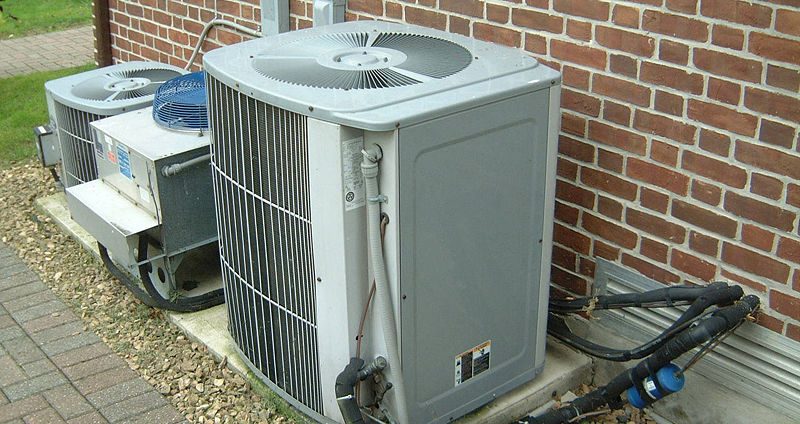
by wanneroogasandair-admin | Mar 22, 2023 | Gas heater
Did you know the largest gas heater can be the equal of three electric heaters? They are powerful, energy and cost efficient which means buying a gas heater is a smart choice. Owning a good gas heater prevents you from being wrapped up in a blanket all day.
Here we explain the most common mistakes to avoid while buying a gas heater because you don’t want to be stuck up with a wrong choice!
The Deadly Mistakes
This is the very first mistake to avoid. While buying a gas heater, make sure you choose one which uses gas same as you have back home. LPG and natural gas, both burn in different ways so choose wisely. Never seek to connect a gas heater to the wrong type of gas, it can be very perilous.
- Choosing the Wrong Type of Heater
Convection Gas Heaters and Radiant Gas Heaters are the two common types of heaters.
Radiant heaters are more of spot heating which heats up very fast. On the other hand, convection heaters take long time to heat the space but they are able to hold the heat unlike radiant heaters. Choose the type according to your room as the wrong choice can increase your electricity bills rapidly.
- Choosing the Wrong Size of Heater
Choosing a very small heater for a large room or too big for a small space – either choice will blow up your electricity bills like crazy. Rinnai gas heater service Perth advices to select a gas heater according to the size of your room and take advantage of energy efficiency provided by gas heaters. While this may not be a gas heater buying tip, it is a maintenance mistake to avoid.
Using Heater as a Clothes Dryer
Freezing cold and you want to be warm even outside your home? So you decide to quickly warm your clothes over the gas heater before leaving – dangerous choice! This calls for a fire hazard.
The good news is that Wanneroo Gas and Air offers Rinnai gas heater service Perth and recommends the perfect gas heater which suits your needs. If you are looking for high quality reliable service provider for Rinnai gas heater service Perth, contact Wanneroo Gas and Air.
by wanneroogasandair-admin | Mar 22, 2023 | Gas heater
Given that cooling and heating amounts to approximately 23% of energy usage in an average Australian household, it is crucial for homeowners to consider their heating requirements and pick a system that promises the right amount of warmth and comfort whilst avoiding high energy bills.
Gas heaters are cheaper and environment-friendly as compared to electric heaters. At the same time, it can heat large spaces quickly, thus, reducing energy bills by up to 60%. So, gas heating is the best solution if you prefer the best in safety, comfort and energy efficiency.
The best thing about Everdure gas heaters is that these include two types of heating: convection and radiant. The convection fan blows warm air into every nook and corner of the room, while the radiant panel heats people and objects in the room, creating a warm and cosy ambience in just half the time as other heaters. Thus, they can save almost 60% of your heating bills.
Best Reasons to Choose Everdure Gas Heater
Everdure gas heater service Perth offers you the following advantages:
- Two-way heating process – radiant and convection – that makes the room warm and comfortable in half the time
- Convection louvers help flow warn air in every corner of the room, keeping it nice and cosy
- Meets Australian safety standards
- Easy control panel that lets you choose the desired level of heating
- Save up to 60% of your energy cost with Everdure gas heaters
- 100% Australian-made
- Equipped with 3 year warranty for complete peace of mind Need help buying the right gas heating system in Perth? Wanneroo Gas & Air can help! Wanneroo Gas & Air is a leading provider of professional and reliable Everdure gas heater service Perth. We have a team of highly experienced and friendly staff who can help find the right gas heating system for you. We are a leading provider of expert Everdure gas heater service Perth and help you choose one of the top brands in gas heating – Everdure. Our team of experienced technicians have vast knowledge and expertise in Everdure gas heaters, guiding you through the entire process of installation, service and repairs. Want help to buy the right Everdure gas heating system that suits your requirements and budget? Call Wanneroo Gas & Air today to discuss your individual requirements and get expert Everdure gas heater service Perth, WA.
